

Blog
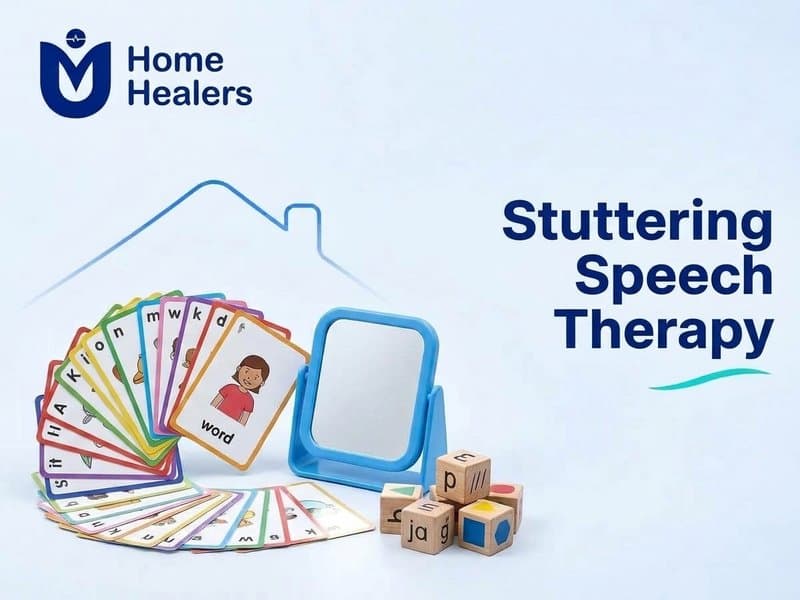
Stuttering Speech Therapy at Home for Children & Adults in Saudi Arabia
Speech is central to how we share ideas, connect with loved ones, and build confidence in school or the workplace. When speech disfluency occurs, it can create frustrating barriers to communication. Stuttering affects individuals of all ages, often causing emotional distress, social withdrawal, and reduced self-esteem.
Fortunately, modern clinical practices highlight the power of personalized care delivered directly in the comfort of your living space. Opting for stuttering speech therapy at home allows children and adults across Saudi Arabia to build communication skills in a familiar, stress-free environment. By removing the pressure of traditional clinic visits, home-based interventions foster natural, lasting progress.
What Is Stuttering? Developmental Disfluency vs. Persistent Stuttering
Stuttering is a neurodevelopmental communication disorder characterized by disruptions in the flow of speech. These disruptions present as repetitions of sounds or syllables ("b-b-ball"), prolongations ("sssssun"), or silent blocks where speech sounds are momentarily trapped.
Understanding the difference between temporary developmental disfluency and persistent stuttering is critical for timely intervention:
- Developmental Disfluency: Common in toddlers aged 2 to 5 years as language skills rapidly expand. Children may repeat whole words or phrases ("I want I want that"). This phase typically resolves naturally within six months without causing frustration.
- Persistent Stuttering: Persists beyond six months, worsens over time, or emerges after age 5. It often includes physical tension (eye blinking, facial tightness), sound repetitions, or word avoidance. Persistent stuttering requires direct guidance from a certified speech-language pathologist (SLP).
Causes of Persistent Stuttering in Children & Adult-Onset Stuttering
Stuttering is a complex neurological condition, not a sign of reduced intelligence or poor parenting.
Causes in Children
- Genetics: Family history plays a significant role; a child with a family member who stutters is more likely to develop persistent disfluency.
- Neurophysiology: Brain imaging shows subtle differences in how speech signals are processed between brain hemispheres.
- Rapid Language Development: High demand on speech motor control during early vocabulary growth can trigger disfluency in vulnerable children.
Adult-Onset Stuttering
While most adults who stutter have managed the condition since childhood, adult-onset stuttering can occur due to specific triggers:
- Neurogenic Factors: Stroke, traumatic brain injury (TBI), or progressive neurological conditions.
- Psychogenic Factors: Severe emotional trauma, extreme anxiety, or psychological distress.
Benefits of Home Speech Therapy Without Clinic Anxiety
Visiting a clinic can induce performance anxiety, especially for young children or adults conscious of their speech. Conducting clinical sessions in the patient's living environment changes the therapeutic dynamic completely.
Key benefits of receiving care in your personal environment include:
- Reduced Performance Anxiety: Practicing speech strategies in a familiar setting lowers stress, enabling clients to focus on technique rather than fear of judgment.
- Contextual Learning: Therapists target real-world communication scenarios, such as talking at the dinner table, answering the phone, or conversing with family members.
- Higher Family Involvement: Parents and caregivers observe sessions directly, learning how to reinforce techniques daily. Read more about how customized care benefits young learners in our guide on speech therapy at home for children.
- Convenience & Privacy: Eliminates travel time through busy city traffic and provides confidential sessions within your home.
What Happens in the First Home Evaluation & Treatment Plan?
Your home therapy journey begins with a comprehensive baseline assessment conducted by a licensed speech specialist.
- Case History Review: The specialist discusses medical history, speech development milestones, and specific communication challenges.
- Fluency Assessment: The clinician measures the frequency, duration, and types of speech disfluencies across different conversational contexts.
- Secondary Behavior Analysis: Identifying physical tension, eye avoidance, or struggle behaviors accompanying speech blocks.
- Personalized Goal Setting: Developing targeted objectives tailored to the individual's lifestyle, whether participating in classroom discussions or delivering professional presentations.
- Individualized Care Plan: Crafting a structured schedule combining therapy sessions, home practice exercises, and practical communication strategies.
Core Techniques for Breath Control & Speech Fluency
Therapy blends fluency shaping (altering overall speech patterns) and stuttering modification (reducing tension during moments of stuttering).
- Primary Goal: Pediatric Stuttering Therapy: Encourage natural speech flow, build confidence, prevent struggle behaviors — Adult Stuttering Therapy: Reduce physical tension, manage speech anxiety, master fluency techniques
- Key Techniques: Pediatric Stuttering Therapy: Play-based therapy, Lidcombe Program (parent feedback), easy onset practice — Adult Stuttering Therapy: Diaphragmatic breathing, gentle onset, prolonged speech, voluntary stuttering
- Family Role: Pediatric Stuttering Therapy: Parents actively participate as co-therapists during daily home practice — Adult Stuttering Therapy: Family provides emotional support and interactive practice
- Session Structure: Pediatric Stuttering Therapy: Informal, interactive, centered around games, toys, and storytelling — Adult Stuttering Therapy: Structured, goal-oriented, focusing on conversation and public speaking
Practical Tips for Parents & Families Supporting Fluent Speech
Family support creates the foundation for fluent communication. Use these strategies at home:
- Maintain Patient Eye Contact: Listen attentively without interrupting, completing sentences, or rushing the speaker.
- Reduce Speech Rate: Speak at an unhurried, calm pace yourself. Children naturally match the speech tempo of adults around them.
- Turn-Taking Dynamics: Ensure household conversations allow ample time for everyone to speak without competing for attention.
- Focus on Content, Not Delivery: Validate what your child or family member says rather than how they say it.
- Minimize Direct Pressure: Avoid commands like "slow down," "take a breath," or "think before you speak," which can heighten anxiety.
How to Book Stuttering Therapy Sessions with Home Healers
Home Healers delivers professional, MOH-licensed home healthcare services directly to your residence across the Kingdom of Saudi Arabia.
Our team includes specialized, highly qualified practitioners, including experienced female speech specialists in Riyadh and Jeddah. Whether you require pediatric fluency therapy packages or tailored adult intervention, we ensure evidence-based care delivered with complete cultural sensitivity and privacy.
- Ministry of Health License: MOH License No. 1400090225
- Unified Phone: 920035730
- Cities Covered: Riyadh, Jeddah, Makkah, Madinah, Dammam, and Al Khobar
FAQs About Stuttering Speech Therapy at Home
1. Can stuttering be cured completely with home speech therapy?
While persistent stuttering may not have a simple "cure," speech therapy equips individuals with effective techniques to control speech flow, eliminate physical tension, and achieve clear, confident communication.
2. How much does stuttering therapy cost in Saudi Arabia?
The overall stuttering therapy cost in Saudi Arabia depends on evaluation requirements and session frequency. Home Healers offers competitive, structured pediatric fluency therapy packages and adult plans designed for comprehensive long-term value.
3. Can I request a female speech specialist in Riyadh or Jeddah?
Yes. Home Healers provides qualified female speech specialists upon request to ensure maximum comfort and alignment with your family's preferences in Riyadh, Jeddah, and other major cities.
4. How long does a home speech therapy session take?
A standard home speech session lasts between 45 to 60 minutes, optimizing focus and therapeutic progress without causing fatigue.
5. At what age should a child start fluency therapy?
If disfluency persists for more than six months, causes distress, or emerges after age 3.5, an evaluation is recommended. Early intervention yields the strongest outcomes.
Related Services & Home Care Guides
Take the First Step Toward Confident Communication
Stuttering should never limit an individual's personal, academic, or professional potential. With specialized care in a comfortable environment, achieving smooth, confident speech is within reach.
If you are looking to book a speech therapist for stuttering at home, contact Home Healers today at 920035730 or visit Home Healers to schedule your initial consultation across Riyadh, Jeddah, Makkah, Madinah, Dammam, or Al Khobar.
Need home care? Book your service now
Leave your details, and the Home Healers team will contact you to arrange the right service as soon as possible.