

Blog
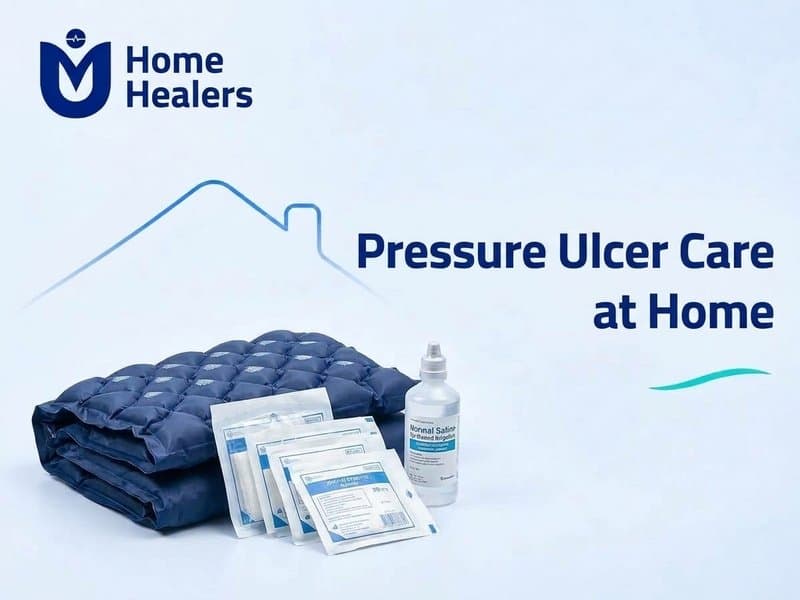
Pressure Ulcer Treatment at Home in Saudi Arabia: Prevention & Licensed Nursing Care
Caring for an elderly family member or a bedridden relative requires continuous dedication, empathy, and specialized clinical attention. Among the most critical health challenges faced by individuals with limited mobility are pressure injuries, commonly referred to as bedsores or decubitus ulcers. Early intervention is paramount. Securing professional pressure ulcer treatment at home not only protects seniors from severe, painful complications like deep tissue infection and sepsis, but also allows patients to recover safely in the comfort of their familiar surroundings.
Across Saudi Arabia, specialized clinical home healthcare has emerged as a preferred solution for families seeking high-quality care while minimizing hospital visits. This guide provides a comprehensive overview of pressure ulcer development, prevention tactics, clinical management, and licensed nursing support available for your loved ones.
What Are Pressure Ulcers & Why Do They Develop?
Pressure ulcers are localized injuries to the skin and underlying soft tissue, typically occurring over bony prominences such as the heels, ankles, hips, tailbone (sacrum), and elbows. They develop when sustained, uninterrupted pressure cuts off microvascular blood flow to the skin and underlying tissues, depriving them of oxygen and vital nutrients.
In addition to direct vertical pressure, two secondary mechanical forces accelerate tissue damage:
- Friction: Occurs when skin slides across rough surfaces such as coarse bed linens, removing the protective epidermal layer.
- Shear: Happens when the bone moves in one direction while the skin remains stationary against a surface (e.g., when a patient slides down an elevated bed). This stretches and tears deep blood vessels.
Bedridden patients, individuals recovering from major surgery, stroke survivors, and seniors with restricted mobility face the highest risk of developing these complex wounds.
Stages of Pressure Ulcers & Why Stage 1 Intervention Matters
Pressure injuries progress through four main clinical stages. Timely recognition during Stage 1 is crucial because the skin remains intact, and damage can be completely reversed with proper repositioning and localized pressure relief before deep tissue destruction begins.
- Stage 1: Clinical Symptoms: Intact skin with non-blanchable redness; localized warmth, firmness, or tenderness. — Risk Level: Low to Moderate — Licensed Nursing Care Role: Moisture management, barrier cream application, skin integrity audits, pressure offloading.
- Stage 2: Clinical Symptoms: Partial-thickness loss of dermis; shallow open ulcer with a red-pink wound bed or clear blister. — Risk Level: Moderate — Licensed Nursing Care Role: Sterile wound cleansing, application of protective hydrocolloid or film dressings, offloading.
- Stage 3: Clinical Symptoms: Full-thickness tissue loss; subcutaneous fat visible, but bone, tendon, or muscle are not exposed. — Risk Level: High — Licensed Nursing Care Role: Mechanical debridement of slough, specialized exudate management, advanced alginate dressings.
- Stage 4: Clinical Symptoms: Full-thickness tissue loss with exposed bone, tendon, or muscle; slough or eschar present; tunneling risk. — Risk Level: Critical — Licensed Nursing Care Role: Complex wound management, advanced sterile dressing changes, infection monitoring, physician coordination.
Home Prevention Plan: Repositioning, Air Mattresses, & Skin Care
Preventing tissue breakdown requires a structured daily care routine:
- Strict Repositioning Schedules: Bedbound patients must be repositioned at least every two hours. For individuals seated in wheelchairs, weight shifts should occur every 15 to 30 minutes.
- Specialized Medical Support Surfaces: Utilizing dynamic alternating-pressure air mattresses and specialized gel or foam cushions redistributes body weight and maintains microcirculation.
- Meticulous Skin & Moisture Hygiene: Skin must be kept clean and dry. Incontinence should be managed immediately using mild cleanser and barrier creams to shield the skin from excess moisture and acidic damage.
- Friction Reduction: Use draw sheets to lift rather than drag patients across bed sheets during position changes.
Role of Licensed Home Nursing in Sterile Wound Debridement & Dressing
When pressure injuries progress beyond Stage 1, professional clinical management becomes mandatory to prevent systemic complications. Engaging a licensed wound dressing nurse at home ensures your loved one receives evidence-based, hospital-grade care without the physical stress of transport.
Professional nurses deliver specialized interventions tailored to the wound's specific stage and tissue status:
- Sterile Debridement: Careful removal of devitalized, necrotic tissue or slough to encourage healthy tissue granulation.
- Advanced Dressings: Selection of appropriate clinical products, such as hydrogels for dry wounds, alginates for high exudate, or silver-infused foam dressings to combat microbial load.
- Infection Control: Adherence to strict aseptic techniques during every dressing change to eliminate cross-contamination risks.
For comprehensive clinical support, families can rely on dedicated home nursing care in Saudi Arabia to oversee long-term management. Furthermore, patients presenting with overlapping chronic conditions, such as diabetes, require targeted interventions similar to specialized diabetic foot wound care at home to ensure optimized tissue healing.
Nutrition & Home Physiotherapy to Accelerate Healing
Wound healing requires a holistic medical approach that extends beyond topical treatment.
Dietary Optimization
Skin repair requires adequate cellular building blocks. Patients need calorie-dense, protein-rich diets supplemented with Vitamin C, Zinc, and L-arginine to promote collagen synthesis and tissue regeneration. Proper hydration is equally vital to maintain skin elasticity and perfusion.
Physical Rehabilitation
Immobility is the root cause of pressure injuries. Integrating home physiotherapy for elderly patients helps restore joint range of motion, improves systemic blood circulation, boosts muscle tone, and reduces prolonged pressure on vulnerable skin areas.
Warning Signs of Infection Requiring Urgent Medical Review
Family caregivers must stay vigilant for clinical signs that indicate an evolving localized or systemic infection. Contact a healthcare provider immediately if you notice:
- Increasing redness, swelling, or warmth expanding beyond the wound margins.
- Foul-smelling, green, or purulent drainage (pus) from the ulcer.
- Spiking fever, chills, or sudden confusion (signs of systemic infection or sepsis).
- Sudden escalation of localized pain around the wound area.
- Blackened, hard necrotic tissue (eschar) rapidly expanding over the injury.
How to Book Bedridden Patient Care with Home Healers
Finding dependable, high-quality medical support is essential for long-term recovery. Home Healers delivers expert, compassionate medical care directly to your doorstep. Operating under Ministry of Health (MOH) License No. 1400090225, our clinical team adheres to high standards of patient safety and clinical excellence.
Whether your family requires a short-term nursing visit or continuous care, our certified practitioners provide specialized services, including an experienced home nurse for bedridden patients in Riyadh, Jeddah, Makkah, Madinah, Dammam, and Al Khobar. We offer tailored extended home care packages to ensure continuous monitoring, preventative care, and structured recovery.
To evaluate pressure ulcer treatment costs in Saudi Arabia or to book bed sore nursing care at home, contact our medical coordination team via our Unified Phone number at 920035730.
FAQs About Pressure Ulcer Care at Home
Can Stage 3 or 4 pressure ulcers be treated safely at home?
Yes. With physician oversight and specialized visits from a licensed clinical nurse experienced in advanced sterile wound care and debridement, Stage 3 and 4 ulcers can be managed effectively at home.
How often should pressure ulcer dressings be changed?
Dressing frequency depends on the wound stage, exudate levels, and dressing type. It can range from daily changes to every 3 to 7 days for specialized modern dressings, as determined by the primary nurse or physician.
How does an alternating-pressure air mattress help prevent bedsores?
An alternating-pressure air mattress features dynamic air cells that periodically inflate and deflate. This continuous movement shifts weight-bearing points, relieving pressure and allowing blood flow to recirculate to vulnerable areas of skin.
Are pressure ulcer treatments covered by health insurance in Saudi Arabia?
Coverage varies based on your specific insurance provider and policy plan. Many comprehensive medical policies cover licensed home healthcare services when medically prescribed by a treating physician.
How long does it take for a bedsore to heal completely?
Healing timelines vary significantly. Stage 1 and 2 ulcers can resolve within a few weeks with proper offloading and care. Stage 3 and 4 injuries may require several months of consistent medical management, nutritional support, and dynamic nursing care.
Related Services & Home Care Guides
- General Home Nursing Services
- Extended Medical Caregiver Packages
- Home Care for the Elderly in Saudi Arabia
- Explore Packages & Offers
Conclusion
Pressure ulcers represent a serious threat to the health and comfort of bedridden and elderly patients, but they are largely preventable and treatable with the right clinical approach. Early detection, rigorous positioning protocols, dynamic nutrition, and licensed home nursing care form the cornerstone of successful healing. Protect your loved ones from painful wound complications today. Contact Home Healers at 920035730 to consult with our medical team and arrange professional pressure ulcer care in the comfort of your home.
Need home care? Book your service now
Leave your details, and the Home Healers team will contact you to arrange the right service as soon as possible.